
Taferi Kela
Taferi Kela: the Ethiopian legacy of Bette Buna
A specialty coffee shaped by a century of family history
Some coffees seem to hold time within them. Taferi Kela, in the heart of Sidamo, is one of those. Its story doesn’t begin in 2020 with Dawit and his wife Hester and the founding of Bette Buna, but it stretches back nearly a century earlier.
For ninety years, Dawit’s grandparents cultivated this land, caring for their coffee with a dedication that today feels almost heroic.
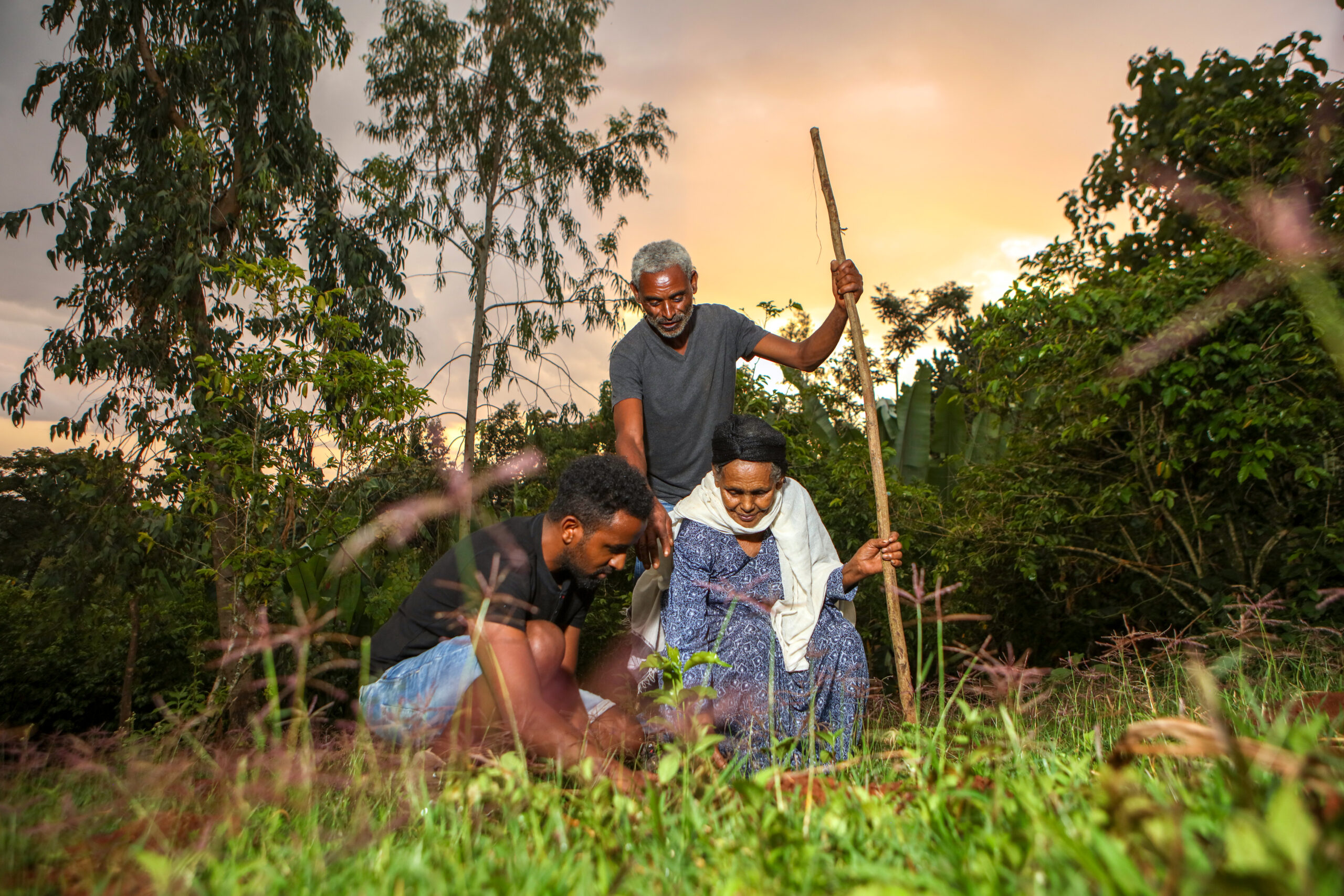
When Dawit and Hester chose to take up that legacy, they didn’t simply take over a farm, they embraced a mission: to honour their family roots while elevating tradition into a modern vision of excellence. Bette Buna—meaning “house of coffee”—is now where past and future meet.
A vertically integrated business with human focus
Bette Buna operates as a fully vertically integrated farm. For the drinker, this means every stage, from cultivation to processing, is carefully overseen, ensuring full traceability.
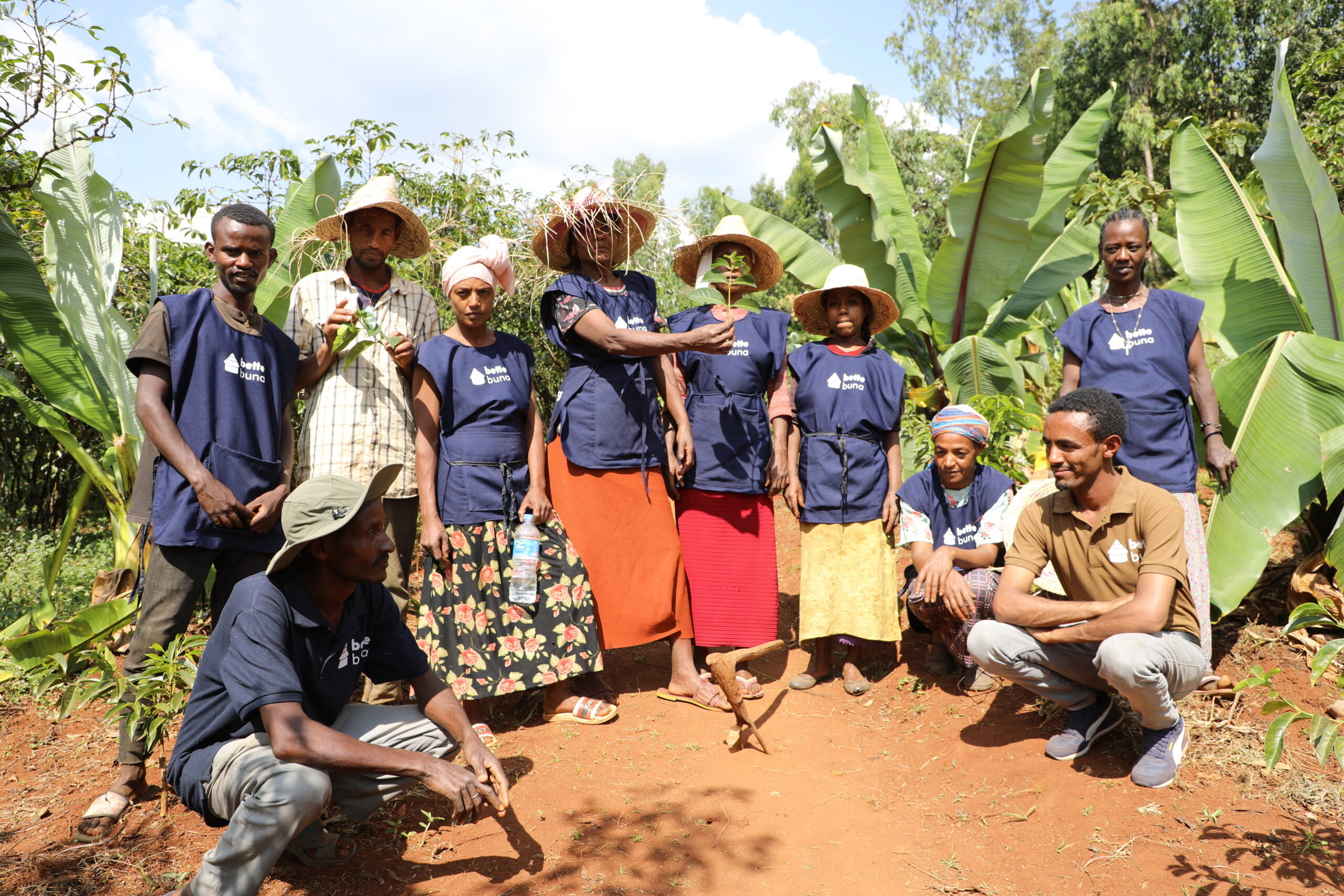
Yet the true strength of the project lies in its social impact. By collaborating with small local producers (outgrowers) in Taferi Kela and and D’ara Otilicho districts, the company creates real, equitable opportunities for coffee-growing communities. Choosing this coffee means supporting a system that invests in the well-being of its farmers, prioritizing dignity, and shared growth.
Taferi Kela coffee: the clarity of the fully washed method
Grown at around 1,950 meters above sea level, Taferi Kela benefits from ideal environmental conditions that foster complexity and vibrancy in the cup.
Technique and time
Quality here is the result of deliberate choices. The selected botanical varieties, JARC and Enat Buna (developed through the excellence-driven research of the Jimma Agricultural Research Center), are processed using the fully washed method on the very same day they are harvested.
Processing stages
Selection
Water acts as the first quality filter: lighter cherries float, while dense, perfectly ripe ones sink and move forward to pulping.
Fermentation
The beans rest for 48 to 72 hours, allowing for the complete removal of mucilage.
Final resting phase
After a 12-hour soak in clean water, the beans are spread on raised beds to dry for about two weeks. Not a single bean is ever left under the stars. Each evening, as is the case with all the best specialty coffees, they are carefully covered or collected to protect them from nighttime humidity, which could compromise their distinctive aromas. At dawn, the beans are patiently returned to the sun: an attentive cycle that preserves their clarity and character.
In the cup
The result is a clean, lively profile with remarkable clarity. Expect bright notes of vanilla, melon, and apricot, lifted by the refined balance that defines exceptional Ethiopian coffees. A complex, clean, and deeply authentic coffee.
Try TAFERI KELA !
DETAILS
- Country of origin:: Ethiopia
- Region:: Sidamo
- Botanical varieties:: JARC, Enat Buna
- Altitude: 1.950 m asl
- Harvest: November – December
- Processing: Fully washed
- Drying: On drying beds