
Dambi Uddo Farm
Wadessa plot, Shakiso hub, Guji region, Ethiopia
Our days on the estate, organic farming and agroforestry
The farm has been running since the 2000s and it has preserved an agroforestry system, according to which coffee is grown alongside honey and wood.
Agroforestry is a land management system in which trees or shrubs are grown around or among crops or pasturelands, in order to obtain several benefits, such as guaranteeing respect for a unique biodiversity of wild forests, reducing erosion, promoting peasant agriculture, increasing productivity and improving the standards of living of farmers by diversifying their activities. That’s why this is a “forest coffee”.
Moreover, the farm adopts strict environmental ethics, by working its products only by hand and without the use of chemicals, so that its coffee can be organic certified.
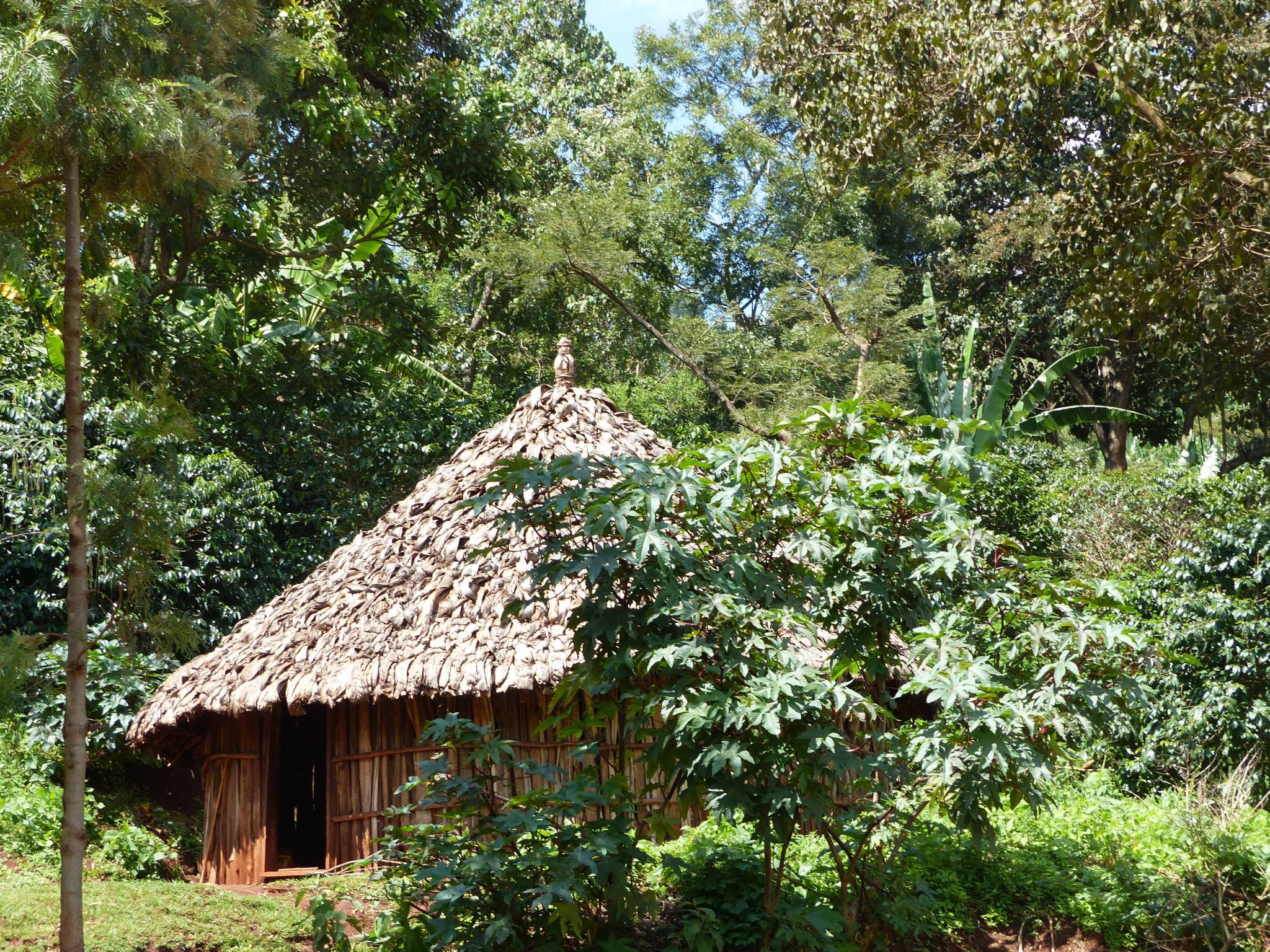
Coffee and timber production for organic, sustainable cultivation
Where does the coffee we have selected come from?
Guji is a vast forest area located in the south of Ethiopia, bordering on the Gedeo and Sidama zones, and divided into three districts – Uraga, Kercha and Shakisso – each one producing coffees with specific profiles.
Dambi Uddo farm is located right in the Shakisso district and it takes its name from a tall tree, commonly found in the wild forest typical of this area. Here, the forest is rich in a wide variety of trees and the quality of the soil is exceptional due to its density in organic matter.
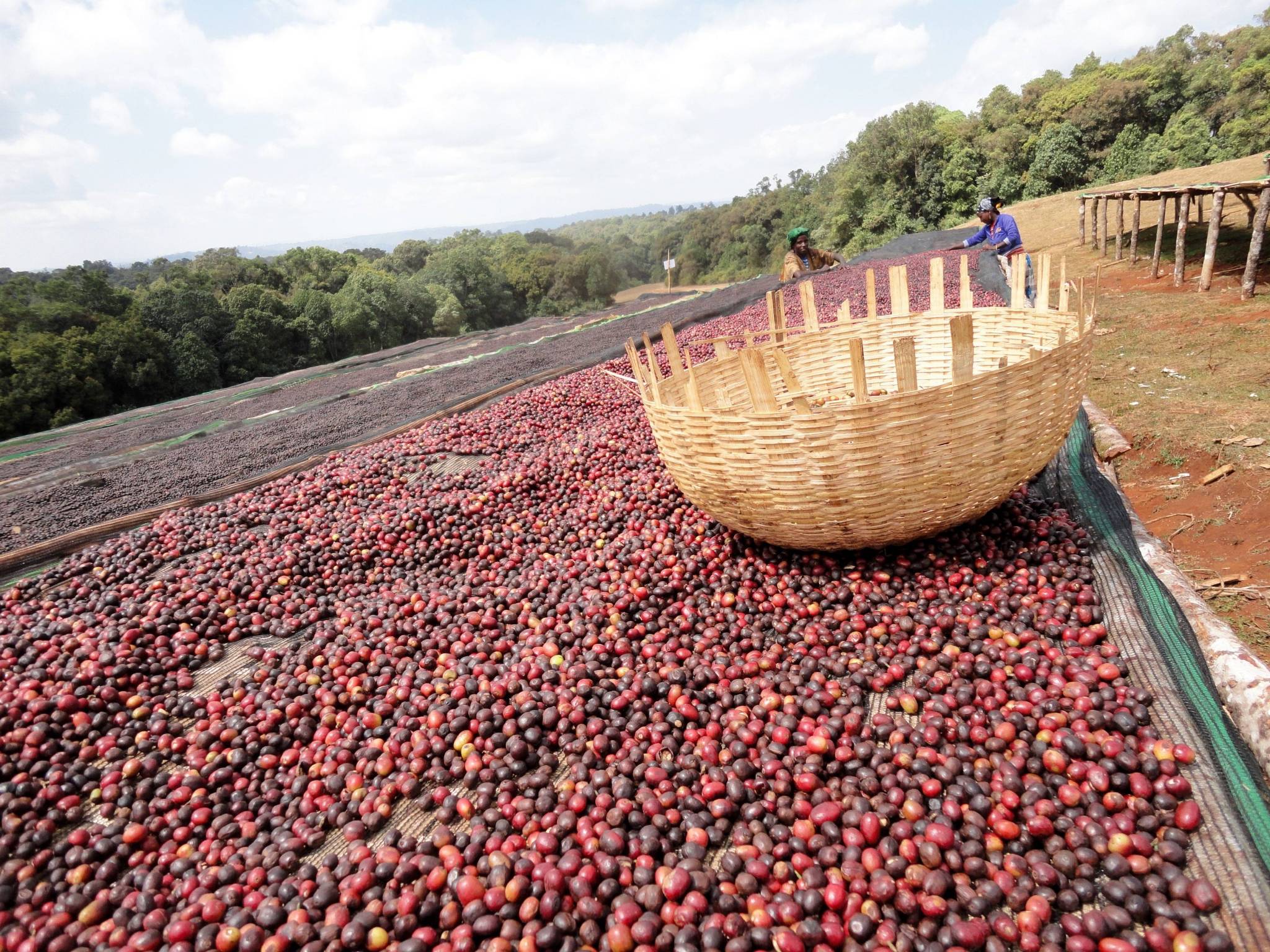
Characteristics of this coffee
The plantation is divided into four different plots: Wadessa, Qararo, Gatame and Shawo.
After cupping, we fell in love with the fruity character of the coffee from the Wadessa plot, which is named after a precious, slow-growing tree growing in this area.
This is a 86+ scored coffee, produced between 2140 and 2160 m asl, harvested between December and February and dried on African beds. The Ethiopian classification of this coffee is TYPE A, GRADE Q1 which represents the top of the quality level for an Ethiopian specialty coffee.
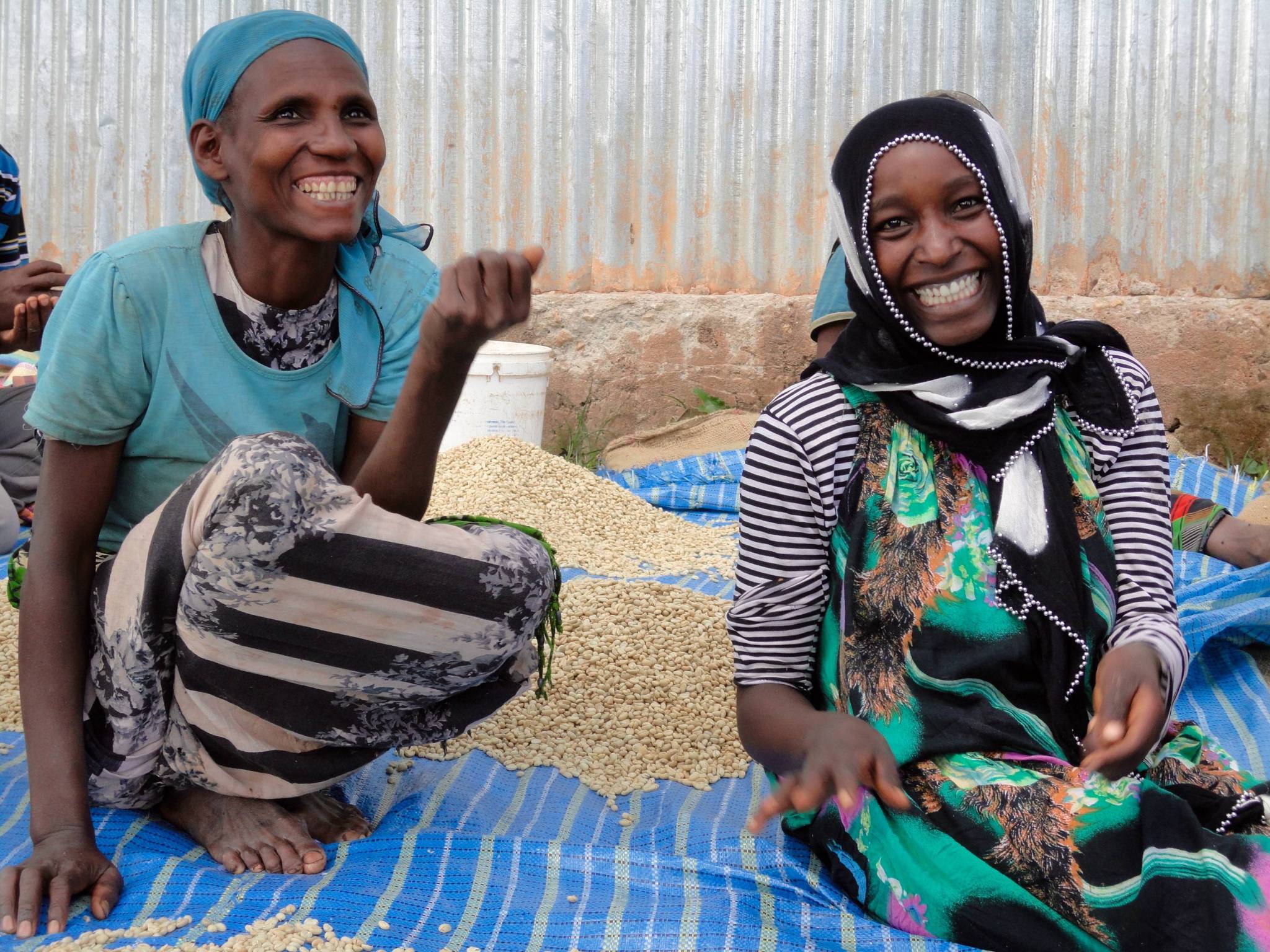
Some data
- Botanical variety: Typica
- Processing: natural
- Harvest: Decembr – February
- Drying: sundried on African beds
- Altitude: 2.140 – 2.160 m asl
- Quality/screen: grade 1, Q1